
 By Kim Pearson
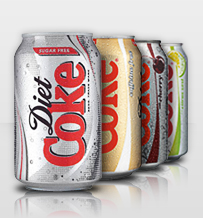
Diet coke might seem like a winner if you’re trying to lose weight. It’s low carb, low calorie, gives you that sweet fix and a caffeine energy boost… but diet drinks are a silent offender with a host of damaging effects on the body. Here are six reasons to ditch the diet drinks for good.
1. Neurotoxic
While artificial sweeteners may be a zero calorie alternative to sugar, they are in no way healthier. Diet drinks use a variety of artificial sweeteners in place of sugar, including aspartame, which is toxic to the nervous system.
Aspartame is the sweetner used in diet coke, it’s 200 times as sweet as sugar and contains negligible calories. Once in the body, aspartame breaks down into phenylalanine, aspartic acid, and methanol. Methanol is a wood alcohol poison that, when heated, converts to formaldehyde. Aspartame is also an excitotoxin that builds up in the brain, and can excite brain neurons to the point of cell death.
2: Acidifying
Fizzy diet drinks are made up of a number of highly acidic chemicals. As the body will always strive to maintain a neutral PH, alkalizing minerals such as calcium and leached from the bones to counteract the effects which can lead to fractures and osteoporosis. Acidity in the body also can lead to a number of health conditions such as inflammation and corrosion of body tissue. This includes the skin which means a less youthful complexion and earlier onset of the symptoms of ageing such as skin sagging and wrinkles.
3: Caffeinated
Many diet drinks contain caffeine, a stimulant which taxes the liver and can hamper its ability to cleanse and filter toxins from the body. Caffeine can trigger stress hormones, which can result in weight gain and it’s also a diuretic, dehydrating the body. If you want to look after your livers ability to detox your body and eliminate body fat, cutting out caffeine is a good idea.
4: Increases Risk of Obesity
Ironically, diet drinks can increase your chances of gaining weight more than the full sugar versions! Studies show that although diet drinks have no caloric value, they may have an impact on insulin similar to sugar ingestion. When you taste the sweet in diet drinks, your body perceives it as sugar and causes the pancreas to release insulin just as it would if you were consuming actual sugar.
Researchers at the University of Texas Health Center made some interesting findings when comparing obesity levels in people drinking diet sodas vs the regular, full sugar versions. Obesity risk increased as followed:
26.5{19761799e1353b7a6a49a5f02d3172230495afcde52b198895f8f3ba7ac759cb} for people drinking up to ½ can of diet soda per day, and 24 percent for regular soda drinkers consuming up to one can per day
54.5{19761799e1353b7a6a49a5f02d3172230495afcde52b198895f8f3ba7ac759cb} for one to two cans of diet soda per day as opposed to 32.8 percent for those drinking the same amount of regular soda
57.1{19761799e1353b7a6a49a5f02d3172230495afcde52b198895f8f3ba7ac759cb} for people drinking more than two cans of diet soda per day as opposed to 47.2 percent for people drinking the same amount of regular soda
In other words, diet soda consumption had a higher correlation with obesity rates than consumption of caloric soda containing sugar or high-fructose corn syrup.
5: Increases Toxic Load
There’s not a lot that’s natural in fizzy diet drinks. Here are just a few of the typical ingredients:
Carbonated water
Artificial coloring
Phosphoric acid
Potassium benzoate
Citric acid
Doesn’t sound so delicious now, does it! Diet soda places a significant toxic load on your liver and can contribute to the buildup of toxic waste products in your fat cells. You are much better off drinking pure, filtered, non-tap water flavoured with some fresh lemon or lime.
6: May Contribute to Metabolic Syndrome
A study at University of Minnesota’s School of Public Health in 2008 linked diet drinks to metabolic syndrome, a group of metabolic disorders including obesity, high blood pressure, elevated triglycerides and hormone resistance. According to the study, consuming fizzy diet drinks increased the risk of developing metabolic syndrome by 34{19761799e1353b7a6a49a5f02d3172230495afcde52b198895f8f3ba7ac759cb}, which was higher than the elevated risk from eating fried foods (25{19761799e1353b7a6a49a5f02d3172230495afcde52b198895f8f3ba7ac759cb} increased risk).
With all of these negative impacts on health, you have to consider whether the benefits of fizzy drinks outweigh the risks. Avoiding diet drinks could be one of the best things you can do for your health and beauty.
Your Comments